
The Epicenter of Innovation: Navigating the Evolving Tech Landscape
By Cap Puckhaber, Reno, Nevada
Innovation is much more than a simple buzzword. It serves as the steady heartbeat of our modern economy. While many people focus on massive product launches or global tech summits, I believe the real story is much more personal. These advancements change how we live and work every single day. For entrepreneurs, staying ahead is not about buying every new gadget. It is about understanding the shifts that will define how we run our businesses for the next ten years.
My Lessons from the Amazon Front Lines
During my years as a vendor manager and marketing manager at Amazon, I spent every day surrounded by consumer electronics. I met with leaders from the biggest brands to negotiate partnerships and secure products for millions of customers. That fast paced world taught me that tech is not just about the plastic and silicon. It is about the relationships and the problems we can solve for people. I saw how a tiny shift in a digital platform could either help or hurt a small vendor overnight.
Because I managed these massive categories, I learned to see patterns before they became obvious to the public. I noticed that the most successful partners were not the ones with the biggest budgets. Instead, they were the ones who moved quickly to adopt tools that made their operations smoother. I apply those same lessons today when I help my clients at Black Diamond Marketing. We focus on finding the right tools that actually save time and money without adding unnecessary stress.
Bridging the Gap Between Global Strategy and Local Business
Moving from a global giant like Amazon to running my own agency changed my perspective on what tools matter. I realized that small business owners often feel overwhelmed by the sheer speed of change. Since I have sat on both sides of the table, I know that you don’t need a corporate budget to win. You only need a clear strategy that uses these new tools to bridge the gap with your customers. But I see many people make the mistake of chasing shiny objects instead of focusing on their core needs.
One mistake I often see involves business owners buying expensive software suites without a clear plan for how to use them. I remember a client who spent thousands on a complex CRM but never actually imported their customer list. They were paying for features that their small team simply did not need yet. I helped them strip back to a simpler system which saved them over 400 dollars every month. We focused on the one thing that mattered which was following up with leads within ten minutes of a request.
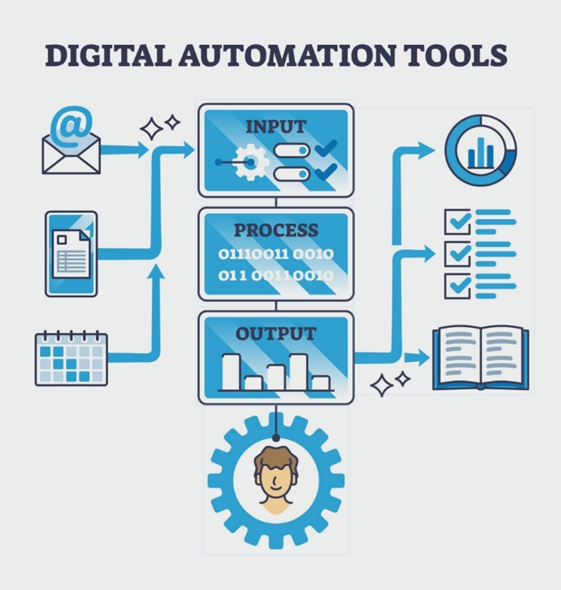
We are moving past basic automation into a new era of intelligence. This shift is changing how we handle everything from basic customer service to deep data analysis. I use these tools to create a level of efficiency that was previously impossible for a small agency. It allows a solo founder to act like a much larger team without the high cost of extra employees. But you must be careful to keep the human touch in your communications.
If you use these tools correctly, you can save dozens of hours every single month. I personally saved over 15 hours a week by automating my initial client intake and scheduling process. This allowed me to focus on actual strategy rather than playing phone tag with potential leads. But I have found that customers can tell when a response is purely robotic and lacks a personal touch. You should use the tech to do the heavy lifting while you provide the final human connection that builds trust.
Why Immersive Environments Matter Now
High performance virtual and augmented reality are starting to change how we think about the physical workspace. These technologies suggest a future where distance is no longer a barrier to building a strong team. I have seen how immersive tools allow brands to provide a deeply personal experience for their customers. For example, some retail partners use augmented reality to let shoppers see how a product looks in their own home. According to recent insights from Fast Company, these immersive experiences are becoming a standard expectation for modern shoppers who want to try before they buy.
Despite the high tech feel, the goal is actually to make things more human and interactive. I think about a local boutique that could use a simple virtual tour to reach customers across the country. This levels the playing field against giant retailers who have physical stores in every major city. It gives the small business a way to show off their unique personality and curated selection in a digital space. You don’t need a massive headset to start because many of these features work directly through a standard smartphone camera.
Mastering Logistics and Mobility
The intersection of electric energy and autonomous systems is pushing the boundaries of how we move goods. This change will fundamentally shift the landscape for any business that relies on deliveries or mobile operations. I watched Amazon transform the delivery industry by focusing on these exact types of infrastructure improvements. Small business owners can benefit from this by using third party logistics that leverage these same efficiencies. But staying competitive means you have to stay informed about how these shipping networks are changing.
I recommend that business owners look at their local delivery routes and see where they can cut waste. Even small changes in how you manage your fleet can lead to massive savings over a full year. One entrepreneur I know switched to a route optimization tool and saved 20 percent on their fuel costs in the first month. This type of shift is about being proactive rather than waiting for costs to rise. It turns a boring part of your business into a major competitive advantage that helps you stay profitable.
The Human Side of Modern Data
Technology is increasingly focusing on the human being who sits behind the screen every day. We are seeing a trend where data helps us improve our overall quality of life and our workplace wellness. I have found that tracking my own productivity levels helps me decide when to take a break or when to push harder. Since we are often the biggest asset in our own businesses, we need to use these tools to prevent burnout. But many people ignore this data and end up exhausted and less effective.
If you pay attention to the data, you can learn how to work smarter instead of just working longer hours. I started using a simple tool to monitor my focus time and realized I was wasting two hours a day on low value tasks. By cutting those out, I was able to spend more time with my family without losing any revenue. This is the real power of tech because it gives us our time back. You should use these insights to build a business that supports your life rather than one that consumes it.
How to Scale with Democratized Tools
The most exciting part of this era is that powerful tools are now available to everyone. In the past, only huge corporations could afford the kind of systems that are now free or very cheap. I believe this democratization is the biggest opportunity for small business owners in the history of commerce. It allows you to compete with the giants because you are faster and more agile than they are. But you have to be willing to learn and adapt as these tools continue to change.
When sophisticated intelligence is built into every device, a solo founder can operate with extreme precision. I have seen writers and designers use these tools to produce work in hours that used to take them days. This doesn’t mean the work is less valuable but it does mean the cost of entry is lower. I encourage you to look at your current manual processes and find one area to improve this week. You will be surprised at how much momentum you can build by making one small digital change.
Finding Success Through Strategy and Connection
My perspective is always shaped by the intersection of strategy and real human connection. Whether I was at Amazon or working here in the local community, the goal was always the same. We use innovation to solve real problems and serve our customers more effectively than we did yesterday. I love seeing the excitement on a business owner’s face when a new tool finally clicks for them. It reminds me that we are all on a journey of perpetual evolution as we grow our brands.
If you stay connected to this world, you will find endless ways to refine your own strategy. I often reflect on the partnerships I forged at Amazon and how they were built on mutual trust. That same trust is what you need to build with your own customers by using tech to be more responsive and helpful. Don’t let the technical details scare you because the core principles of business never really change. We are just using different tools to tell our stories and deliver our products.
Building a Flexible Foundation
The first step toward making your business ready for whatever comes next is to perform a digital audit. I want you to look at your scheduling, your inventory, and how you follow up with your customers. You should identify any place where a digital system could provide more consistency than a manual one. Building this flexible foundation is the best way to prepare for any new advancements that appear. Since the landscape moves so fast, you need a base that can grow and change along with you.
I found that once I had my core systems in place, adding new features was much easier. It felt less like a chore and more like an exciting upgrade to my existing workflow. According to reporting from Ad Age, companies that prioritize a flexible tech stack are more likely to survive market shifts. This is because they can swap out one tool for a better one without breaking their entire business. I suggest you start small and build your stack one piece at a time so you don’t get overwhelmed.
The Future of Global and Local Collaboration
We are seeing a shift where physical distance is no longer a barrier to finding the best talent in the world. I can work with a designer in Europe or a developer in Asia as easily as if they were in the same room. This allows a small agency to offer world class services without the overhead of a massive office building. But this requires a different way of thinking about how we lead and communicate with our teams. You have to be intentional about building a culture when you don’t see each other in person every day.
I use video tools and collaborative platforms to keep my team aligned and excited about our projects. It takes more effort to build those relationships but the payoff is a diverse and talented group of people. I have learned that the best ideas often come from the most unexpected places when you have a global reach. This is another way that tech levels the playing field for the modern entrepreneur. You are no longer limited by your zip code when it comes to who you can hire or who you can serve.
Turning Technological Change into Advantage
The continuous cycle of advancement is much more than just a series of product launches. It is a lasting shift in how we interact with each other and the world around us. Whether you are just starting out or you have been leading for years, these tools will change your daily operations. I believe that those who embrace this change will be the ones who define the future of their industries. But those who resist it will find themselves struggling to keep up with the expectations of their customers.
I find that the value of staying connected to this world lies in the excitement of seeing the future take shape. As things continue to evolve, you have a constant opportunity to improve your strategy and grow your impact. I am always looking for the next way to bridge the gap between technical capability and human need. That is the real work of a marketer and a business owner in this modern age. We are the ones who turn these tools into something meaningful for the people we serve.
Closing Thoughts on the Digital Journey
Reflecting on my years of building partnerships, I am reminded that the “next big thing” is always just around the corner. While the specific products will change, the fundamental goal of serving customers remains the same. I want you to feel empowered by these tools rather than intimidated by them. You have the experience and the passion to make your business a success in any environment. According to research published by Search Engine Land, businesses that adapt to digital trends see higher engagement and customer loyalty.
Because I have seen these shifts from the inside of a giant like Amazon, I know that you have what it takes. Focus on the human element and use the tech to support that connection. I look forward to seeing how you use these innovations to build your own legacy and serve your community. The journey is never truly finished because we are always finding new ways to grow and improve. Keep moving forward and don’t be afraid to try something new as the landscape continues to change.
Frequently Asked Questions
How can a small business keep up with tech without a large budget?
I recommend focusing on scalable technology that offers tiered pricing models. You should start with a free or low-cost version and only upgrade as your revenue grows. This allows you to test tools without a huge financial risk to your operations. Focus on the one or two tools that will save you the most time right now.
Is AI actually accessible for a solo entrepreneur?
I believe that we have entered an era of democratized intelligence where anyone can use these tools. You can find user-friendly apps that handle content creation or financial forecasting for a very small monthly fee. These tools take the place of a large support staff and allow you to focus on high-level strategy. You don’t need a technical background to get started with most of them today.
What is the first step in making my business more future proof?
The best first step is to conduct a thorough audit of your current manual processes. You should look for repetitive tasks like scheduling or data entry that are prone to human error. Once you identify those gaps, you can find a digital system that provides more consistency and speed. This creates a solid foundation that can support more advanced tools as you grow.
How does immersive tech benefit a non-tech business?
I have seen how augmented reality helps retail and service industries by building customer confidence. For example, a local contractor could use a 3D model to show a client exactly what a renovation will look like before any work begins. This reduces the risk of misunderstandings and helps you close deals faster. It is about using visual tools to communicate your vision more clearly.
How do I stay updated without getting overwhelmed by the news?
I suggest following a few reputable sources and ignoring the rest of the noise. Pick two or three industry leaders who provide practical advice rather than just hype. You can also join a local business group where members share what is actually working in the real world. This helps you filter out the distractions and stay focused on the tech that truly matters.
of partnerships forged and the ongoing excitement of seeing the future take shape. As technology continues to evolve, it offers every business owner the opportunity to refine their strategy, gro their reach, and bring the best of what is possible to their customers around the world.
Improve results with this CRM success keys. Cap Puckhaber dives into local business marketing. Review the latest Musk suing advertisers for insights.
My Blogs
Explore the latest in artificial intelligence, advertising and marketing news from Black Diamond. Read my latest business, side projects, and journey on my personal website.
Master your personal finance with my investing guides. And for hiking and backpacking guides, trails and gear check out The Hiking Adventures.

Cap Puckhaber
Backpacker, Marketer, Investor, Blogger, Husband, Dog-Dad, Golfer, Snowboarder
Cap Puckhaber is a marketing strategist, finance writer, and outdoor enthusiast from Reno, Nevada.
He writes across CapPuckhaber.com, TheHikingAdventures.com, SimpleFinanceBlog.com, and BlackDiamondMarketingSolutions.com.
Follow him for honest, real-world advice backed by 20+ years of experience.