
The Future of Search Connectivity: A Guide to Schema Aggregation
By Cap Puckhaber, Reno, Nevada
I. Beyond Keywords to Connected Knowledge
I see the digital landscape shifting toward a world where search engines and LLMs don’t just read your pages. They strive to understand every entity on your site as a singular, connected brain. You probably already know that traditional schema markup helps, but individual page tags aren’t enough anymore. Because AI agents now dominate the web, we must move toward schema aggregation to remain visible.
I remember when I first started tinkering with structured data years ago. I thought adding a few review tags was the end of the journey. But I soon realized that fragmented data creates a massive mess for modern crawlers. You can think of your website as a library where every book is missing its index. Schema aggregation provides that index, making your content easy for robots to digest.
I believe this transition is the most critical shift for marketers right now. It ensures your site is ready for the agentic web where AI does the searching for the user. Because these agents want facts fast, you must provide a clear path to your data. I will show you how to build this path using modern tools and strategies.
The Problem with Fragmented Data
Fragmented data happens when you treat every page like an isolated island. I often see sites with author bios on fifty different pages, yet Google can’t tell they are the same person. This lack of connection forces search engines to guess which information is the most accurate. But when you aggregate your data, you remove that guesswork entirely.
You might wonder why this is so important for your organic rankings. Since Google and Bing want to provide rich results, they need high-quality structured data. If your data is messy, you likely won’t appear in those coveted top spots. I suggest you view aggregation as a way to clean up your digital footprint.
Benefits of Schema Markup
I find that the benefits of schema markup extend far beyond simple search rankings. It builds trust with both users and the machines that categorize your content. Because you are providing explicit context, you help the algorithm understand your specific niche. But is schema important for SEO? I can tell you that it’s absolutely vital for staying competitive.
What is schema markup in laymans term? I describe it as a digital translation layer for your website. It takes your human-written content and turns it into a format that computers can process instantly. This allows you to win rich snippets and stay relevant in a fast-moving market.
II. Decoding Aggregation: Data Engineering vs. SEO Strategy
I want to clarify that aggregation actually exists in two different worlds. You have the data engineering side which focuses on database performance and speed. Then you have the SEO side which focuses on semantic connectivity and search visibility. Understanding both will give you a significant advantage over other marketers.
Because I work with both developers and content teams, I see the confusion this causes. The database world uses an aggregate schema to pre-calculate large chunks of data. This makes queries run much faster because the system doesn’t have to scan every single row. You can learn more about high-level data strategies at Fast Company.
The Performance Layer: Database Side
A technical aggregate schema acts as a shortcut for your data warehouse. Instead of calculating sales totals every time someone asks, the system stores a pre-computed answer. This is why you might hear developers talk about schema vs table relationships. They are trying to find the most efficient way to store and retrieve your business information.
I’ve seen many database design examples where poor planning led to massive slowdowns. If you don’t use aggregate tables, your analytics dashboard will take forever to load. But by using these structures, you ensure your internal systems remain snappy and responsive. This technical foundation is what allows your business to scale without breaking your tech stack.
The Semantic Layer: SEO Side
In the SEO world, aggregation means something slightly different but equally powerful. I use it to describe how tools like Yoast connect your site’s entities. Instead of having a product schema on one page and a review on another, you link them together. This creates a site-level view that reveals the true structure of your organization.
I call this the semantic layer because it deals with the meaning behind your data. Since search engines are becoming discovery engines, they need to know how things relate. You can see how these relationships look in various types of schema in database layouts. But for your website, the goal is a connected graph that AI can navigate.
III. How Schema Aggregation Helps Search Engines and LLMs
I’ve noticed that AI agents like Copilot and Gemini are changing how we think about traffic. These agents don’t visit your site like a human would. They want to ingest your entire “schemamap” in one single request to save time. Because this is so efficient, they are more likely to recommend your site to their users.
Since you want to be the source of truth for these agents, you must provide connected data. If an AI can’t verify your author’s credentials or your product’s price, it won’t trust you. But a connected graph proves that your information is legitimate and updated. I find that this creates a massive bridge from simple discovery to actual conversation.
Reducing the Digital Data Mess
I once worked with a client who had three different versions of their company address in their code. This is a classic example of a data mess that confuses search engines. Because the crawlers didn’t know which address was right, the local rankings suffered. Aggregation fixes this by merging duplicate mentions into one single source of truth.
I recommend you audit your site to find these conflicting signals. If your author names or product IDs aren’t consistent, your aggregation will fail. But once you clean this up, your site becomes a goldmine for data-hungry AI models. You can read more about how AI is changing business at Bloomberg.
Agentic Web Readiness
I believe the agentic web is the next major frontier for every digital marketer. In this environment, AI agents act on behalf of users to find products and answers. Since these agents prefer structured sets of information, they prioritize sites with aggregated schema. You can check how schema affects rankings by watching your impressions in search consoles.
If you aren’t ready for this shift, your traffic will likely dwindle over time. I suggest you start thinking of your website as a data provider for these intelligent systems. This mindset shift is what separates the winners from the losers in the modern era. You must make your data as easy to consume as possible.
IV. Tools for Aggregation: From Yoast to Schema.org
I rely on a few specific tools to handle the heavy lifting of aggregation. Yoast SEO is currently leading the way with their new schema aggregation features. They have partnered with the minds behind Schema.org to create a standardized protocol. This allows your WordPress site to participate in the open web more effectively.
I think it’s brilliant that they’ve made this an opt-in feature for everyone. Since you can enable it with a single toggle, there is no excuse not to use it. This tool takes your existing data and organizes it into a beautiful, connected graph. You can find more technical insights on emerging technologies at Business Insider.
Using the Yoast Schema Map
The Yoast schemamap is a total shift in how we handle structured data. Instead of outputting code page by page, it creates a site-level view for crawlers. I’ve found that this reduces the load on my server because bots don’t have to crawl as much. This is a huge win for both SEO and technical performance.
Because I value efficiency, I always look for ways to simplify my site’s code. This tool does exactly that by deduplicating your entities automatically. It ensures that when an AI looks at your site, it sees a clear and logical structure. I recommend every WordPress user check out these new settings immediately.
The Developer Tier and AI Tools
I know that some of you might want more control than a plugin provides. If you are a developer, you can use an AI database schema generator to build custom graphs. These tools help you map out complex relationships between different data points. You can even use a JSON-LD generator to create specific markup for unique events or products.
I often use these advanced tools when I’m working on a highly customized project. Since every business is different, a one-size-fits-all approach doesn’t always work. But with these generators, you can tailor your data to fit your exact needs. This flexibility is what allows you to stand out in a crowded market.
V. Testing and Quality Control: Validators and Visualizers
I cannot stress enough how important it is to test your schema before you go live. A single misplaced comma in your JSON-LD can break your entire aggregation. This is why I always use a schema markup validator to double-check my work. It gives me peace of mind knowing that search engines can actually read my data.
I’ve seen people spend weeks on their content only for it to fail because of bad code. Don’t be that person. Since there are so many free tools available, you have no reason to skip this step. I suggest you make validation a regular part of your publishing workflow.
What is a Schema Validator?
A schema validator is a tool that checks your code against the official standards. I use it to find errors that I might have missed during the manual coding process. Since search engines are very strict about formatting, your code must be perfect. These tools highlight exactly where the problem is so you can fix it fast.
I recommend using the Rich Results Test provided by Google as your primary validator. It shows you exactly how your page will look in the search results. Because it comes directly from the source, it is the most reliable tool for SEO. You should also look for data validation testing tools that handle larger datasets.
What is a Schema Visualizer?
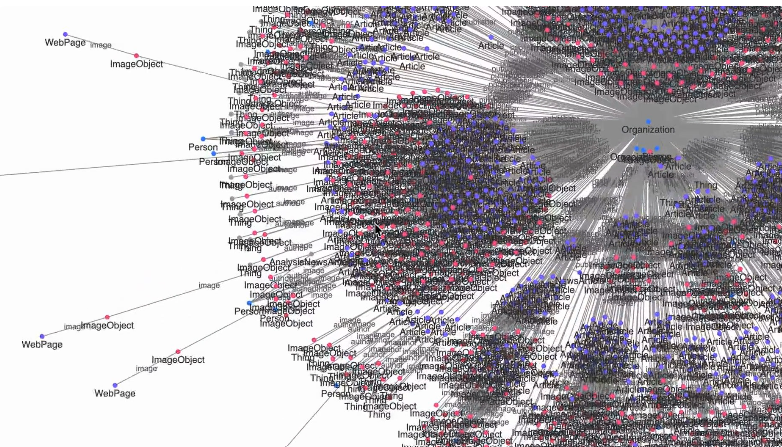
I find that a schema visualizer is the best way to understand your data’s relationships. It takes your raw code and turns it into a visual map of nodes and edges. Since I’m a visual learner, this helps me see where my connections are weak. It allows me to spot gaps in my site’s “logic” that I might otherwise ignore.
I use these visualizers to explain complex concepts to my clients as well. It’s much easier to show them a diagram than to ask them to read lines of code. You can find many database structure visualization tools that work for both SEO and engineering. This clarity is essential for building a truly connected website.
VI. Marketing Strategy: Improving Crawlability and SERP Appearance
I believe your marketing strategy must revolve around how you appear in the SERPs. Since rich snippets can significantly increase your click-through rate, they are worth the effort. You can use an aggregate rating schema to show off your customer reviews directly in the search results. This social proof is incredibly powerful for converting new visitors.
Because I want to win as many serp features as possible, I constantly optimize my markup. I look for opportunities to add product snippets or faq sections to my pages. This makes my listings look much more professional and enticing. I recommend you use a serp features tool to see what your competitors are doing.
Capturing High-Impact SERP Features
I always aim for the “image pack” or “people also ask” sections whenever I can. These features take up a lot of real estate and drive massive amounts of traffic. Since you can influence these with structured data, you should be aggressive with your implementation. I find that a well-optimized page can outrank much larger sites if the schema is better.
I suggest you focus on the features that provide the most value for your specific niche. If you run a recipe blog, you need the recipe snippets with cook times and calories. If you are a local business, you need the local business schema with your hours and location. You must tailor your approach to what your audience is actually searching for.
Monitoring Your Impact
I never just “set and forget” my schema aggregation. I use a serp monitoring tool to track how my changes affect my rankings over time. Since the algorithm is always changing, you need to stay on top of your performance data. This allows you to make adjustments before your traffic starts to drop.
I’ve found that regular audits are the secret to long-term success in search. You should check for “schema drift” where your code no longer matches your on-page content. Because this can lead to penalties, you must keep everything in sync. This proactive approach will keep you ahead of the curve.
VII. Conclusion: Directing the AI Wave
I hope you now see that schema aggregation is not just a technical trend. It is a fundamental shift in how we communicate with the modern web. Since you can’t stop the AI wave, you might as well learn how to direct it. By providing clean and connected data, you put yourself back in charge of your digital presence.
I’ve seen firsthand how aggregation can transform a struggling site into a search powerhouse. It’s about being visible, understood, and accurately represented across all platforms. Because the agentic web is only going to grow, now is the time to act. Don’t let your site be left behind in the era of fragmented data.
I encourage you to update your tools and start building your site’s knowledge graph today. It might seem daunting at first, but the rewards are well worth the effort. I’ll be here to help you navigate these changes as they continue to evolve. Let’s make sure your site is ready for the future of search.
My Biggest Mistake in Schema
I want to share a quick story about a mistake I made early on. I once tried to manually code a massive event schema for a client with hundreds of locations. But I didn’t use a validator, and I accidentally nested the data incorrectly. Because of that, none of the events showed up in Google for three months.
I learned the hard way that you should never trust your own eyes when it comes to code. Since then, I always use multiple validators and a visualizer to verify every project. It’s a simple step that would have saved me a lot of stress back then. I hope you can learn from my error and always test your work.
Frequently Asked Questions
What is the difference between individual schema and schema aggregation?
Individual schema focus on marking up specific elements on a single page. This helps search engines understand that specific piece of content in isolation. But schema aggregation connects all those pieces into a site-wide graph. It shows how your authors, products, and organization relate to each other across your entire domain.
Can I use Yoast SEO for schema aggregation on any website?
Yoast SEO offers these aggregation features specifically for WordPress websites. Since it is a plugin, it integrates directly into your existing WordPress dashboard. It uses an opt-in toggle to enable the schemamap feature for your site. If you use a different platform, you may need a custom solution or a different tool.
Does schema aggregation actually improve my search rankings?
While schema itself is not a direct ranking factor, it heavily influences your visibility. Because it makes you eligible for rich snippets, it can lead to higher click-through rates. These signals can tell search engines that your content is relevant and valuable. Aggregation also helps AI agents find and recommend your site more often.
What should I do if my schema validator shows an error?
If you see an error, you must fix the code before search engines can process it. Most validators will point to the exact line of code where the problem exists. You should check for missing commas, brackets, or invalid property names. Once you make the fix, run the test again to ensure everything is perfect.
Is it necessary to hire a developer for schema aggregation?
You can handle basic aggregation using plugins like Yoast SEO without any coding knowledge. But if you have a complex site with custom data needs, a developer can be very helpful. They can build custom integrations and ensure your data is optimized for performance. I suggest starting with a plugin and seeing if it meets your needs first.
How often should I audit my site’s structured data?
I recommend performing a full schema audit at least once every quarter. Since you are likely adding new content and products, your data can become outdated. You should also check for updates to the Schema.org standards or search engine requirements. Regular monitoring ensures you don’t lose your rich snippets or visibility.
What is an aggregate rating and why do I need it?
An aggregate rating is a summary of all the reviews your product or service has received. It shows a single average score based on many individual ratings. Since this score appears as stars in the search results, it builds immediate trust with users. It is one of the most effective ways to stand out in a crowded SERP.
How do LLMs use my schema data differently than Google?
Traditional search engines use schema to display rich snippets and categorize your pages. But Large Language Models use it to build a mental map of your business and its expertise. This allows them to answer complex questions about your brand in a conversational format. Aggregated schema makes this process much faster and more accurate for the AI.
Are there any risks to using schema aggregation?
The primary risk comes from providing inaccurate or misleading data to search engines. If your schema doesn’t match the content on your page, you could face a manual penalty. But as long as you are honest and accurate, there are very few downsides. I find that the benefits of being understood by AI far outweigh the risks.
What is a schemamap and how do I see mine?
A schemamap is the technical output of your aggregated data in a standardized format. It represents your entire site as a single, connected graph rather than a list of pages. You can use a schema visualizer tool to see a graphical representation of this map. This helps you confirm that all your entities are correctly linked together.
Agentic Web Readiness Checklist
Phase 1: Entity Identification and De-duplication
I recommend starting with your core brand identity. Since AI agents look for a single “source of truth,” any conflicting information about your business will hurt your reliability.
- Define the Core Organization: Ensure you have one master Organization schema entry.
- Verify Identity Consistency: Check that your brand name, logo, and social profiles are identical across all pages.
- Identify Primary Authors: Map out your contributors to ensure each person has a unique, persistent ID.
- Deduplicate Personnel: Remove instances where the same author has multiple slightly different name spellings or bios.
Phase 2: Technical Connectivity Audit
This phase focuses on the “Schemamap” logic. Because you want a connected graph, you must check if your separate schema types are actually talking to each other.
- Check Nesting and Linking: Use a schema visualizer to confirm that Articles are correctly linked to their Authors.
- Enable Site-Wide Aggregation: If using Yoast, confirm the NLWeb integration toggle is active in your settings.
- Validate the Global ID: Ensure your site uses
@idreferences to link different pieces of data together. - Audit Partner Integrations: Verify that third-party plugins (like Recipe or Event makers) are feeding into the main graph.
Phase 3: Agentic Web Readiness and Validation
Finally, you must test how your data appears to the machines. Since you can’t always see what an LLM sees, you rely on validation tools to confirm your data is “clean” and “compliant.”
- Run a Comprehensive Rich Results Test: Check your most important pages to see if they are still eligible for snippets.
- Monitor Search Console Trends: Look for a rise in impressions for “Rich Results” in your performance reports.
- Test with a Schema Visualizer: Look at the visual output to see if your site appears as a “connected brain” or fragmented dots.
- Verify Sub-100ms Responses: Ensure your schema endpoint is cached and fast enough for aggressive AI crawlers.
Phase 4: Competitive SERP Analysis
I always suggest looking at the competition to see what features you are missing. Since the SERP layout changes frequently, your strategy must stay flexible.
- Identify Missing Snippets: Compare your listings to competitors to see if they have “AggregateRating” or “Price” features you lack.
- Analyze SERP Share: Use a monitoring tool to see how much “above the fold” real estate your rich results occupy.
- Update FAQ and Video Markup: Add these specific types to capture more visual space in the search results.
My Blogs
Explore the latest in artificial intelligence, advertising and marketing news from Black Diamond. Read my latest business, side projects, and journey on my personal website.
Master your personal finance with my investing guides. And for hiking and backpacking guides, trails and gear check out The Hiking Adventures.


Cap Puckhaber
Backpacker, Marketer, Investor, Blogger, Husband, Dog-Dad, Golfer, Snowboarder
Cap Puckhaber is a marketing strategist, finance writer, and outdoor enthusiast from Reno, Nevada.
He writes across CapPuckhaber.com, TheHikingAdventures.com, SimpleFinanceBlog.com, and BlackDiamondMarketingSolutions.com.
Follow him for honest, real-world advice backed by 20+ years of experience.