
The Allegiant Air Case Study. How Marketers and Business Owners Can Win Through Niche Dominance
By Cap Puckhaber, Reno, Nevada
I stood on the tarmac of a tiny airport in the middle of nowhere. The sun felt hot on my neck while I waited for the boarding call. Most people hate these small regional terminals because they lack lounges or fancy coffee shops. I find them beautiful because they represent a specific kind of business genius.
Why is allegiant focused on destination-specific travel? Allegiant Air strengths regional airports small cities spaces in ways that Delta or United could never dream of doing. This airline built a massive empire by going where no one else wanted to go.
I am Cap Puckhaber and I study how companies win by being different. This airline does not care about the traditional rules of aviation. They do not fly to major hubs every hour. Instead, they find people in forgotten towns who want to go to Florida or Las Vegas. But they do not just sell a seat on a plane. They sell the entire vacation through a clever system of partnerships and add-ons.
The Power of Small Town Monopoly
often see flights leaving from places like Provo or Belleville. These markets have almost zero competition which gives the airline massive pricing power. Since they are the only game in town, they do not have to spend much on advertising. The company focuses on airports that other airlines ignore entirely. Allegiant Air business model ultra low cost carrier. Local travelers find them because there are no other options for nonstop flights. Although the towns are small, the demand for vacation travel is remarkably consistent.
Building the Leisure Connection
Most airlines focus on business travelers who need frequent flights and flexible schedules. Allegiant flipped this model by focusing only on people who pay for their own tickets. These travelers do not care about flying at six in the morning on a Tuesday. They want to leave on a Thursday and come back on a Sunday. Because the airline understands this, they only fly when the demand is highest. This strategy keeps their planes full and their costs low.
The Revenue Secret Beyond the Ticket
I once looked at the financial reports for this carrier and noticed something shocking. The actual ticket price is often the smallest part of their profit margin. They make their real money through what the industry calls ancillary services. But I prefer to call it the vacation tax. They charge for bags, seats, and even printing a boarding pass at the counter. These fees allow them to keep the base fare low enough to attract budget-conscious families.
Selling the Whole Dream
The airline operates like a travel agency that happens to own airplanes. I noticed that their website pushes hotel rooms and rental cars before you even finish booking your flight. They have deep partnerships with resorts in Orlando and Las Vegas. Since they control the transportation, they can offer bundles that seem like a great deal. However, these bundles are highly profitable because the airline takes a commission on every single part of the trip.
Controlling the Hospitality Experience
I watched them take this a step further by building their own resort in Florida. This move was risky because airlines usually do not know how to run hotels. But it fits their model of owning the entire customer journey from start to finish. If they own the plane and the hotel, they keep every dollar the traveler spends. This vertical integration is rare in the airline world but it works for their specific audience. You can read more about their financial performance at Forbes.
The Strategic Shift of the Sun Country Merger
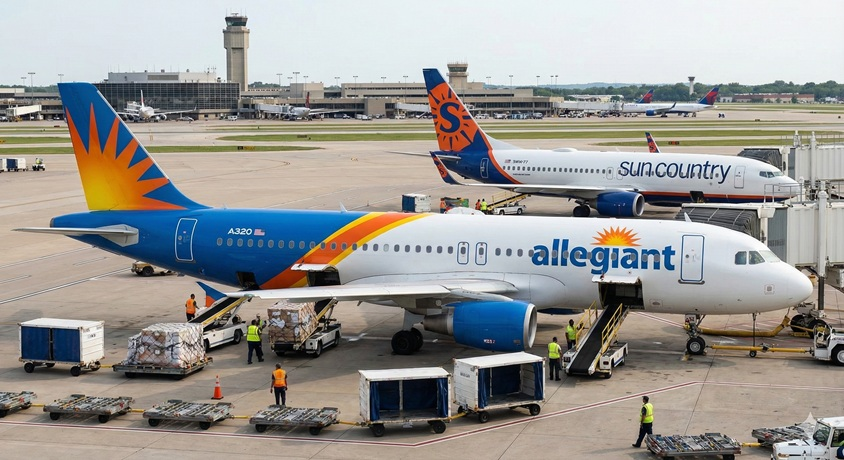
The recent news about Sun Country Airlines has changed the landscape for everyone. I believe this merger is the most important event in leisure travel in a decade. It combines two companies that both understand how to fly for low costs. But they bring different strengths to the table that will make the new entity much stronger. While Allegiant is the king of small towns, Sun Country has a massive presence in the cargo world.
Diversifying with Amazon Cargo
Sun Country flies packages for Amazon which provides a steady stream of income. This is a brilliant hedge against the volatility of the travel market. Because people stop going on vacation during a recession, airlines often struggle to survive. But people continue to order packages online regardless of the economy. I see this as a way to keep the pilots busy and the planes moving every day. This balance creates a level of stability that most low-cost carriers never achieve.
Expanding the Network Reach
The combined company now has access to more gates in major cities like Minneapolis. This allows them to compete for travelers who live in bigger metropolitan areas. But they are still avoiding the direct fight with the massive legacy carriers. They use these larger airports as bases to fly to secondary leisure destinations. I think this move will allow them to capture a larger share of the summer vacation market. The scale of this new company makes it a formidable player in the industry.
Why Asset Management Matters More Than Speed
I noticed that Allegiant does not buy brand new planes very often. They prefer to buy used aircraft that other airlines have retired. This strategy saves them millions of dollars in monthly payments. Since the planes are paid for, the airline does not lose as much money when the jets sit on the ground. Most airlines must fly their planes twenty hours a day to cover the debt. Allegiant can afford to let a plane sit on a Tuesday because the capital cost is so low.
The Out and Back Model
The pilots and crew almost always return to their home base at the end of every day. I find this fascinating because it eliminates the need for expensive hotel rooms for the staff. It also makes the employees much happier because they get to sleep in their own beds. This operational choice reduces the overhead costs significantly. But it also makes the airline more resilient to weather delays in other parts of the country. Since the planes do not hop from city to city, a storm in New York does not ruin a flight in Nevada.
Maintaining a Lean Fleet
The airline recently started adding some new Boeing jets to their fleet. Although this increases their debt, it also improves their fuel efficiency on longer routes. I believe they are finding a middle ground between old planes and new technology. This mix allows them to fly further and reach more destinations in Mexico and the Caribbean. Because fuel is the biggest expense for any airline, these new planes will help protect their margins. You can find more details on their fleet strategy at Bloomberg.
Lessons for Business Owners and Marketers
I think every entrepreneur can learn something from the way this airline operates. They do not try to win by being the best at everything. They win by being the best at one specific thing for a specific group of people. This focus allows them to ignore the noise of the rest of the industry. But they also understand the psychology of their customers better than almost anyone else. They know that a low price is the most powerful marketing tool in the world.
Owning a Niche Market
You should look for the “small towns” in your own industry where the big players are too lazy to go. I see too many startups trying to compete with Google or Amazon directly. That is a recipe for disaster because you cannot outspend them. Instead, you should find a segment of the market that is underserved or completely ignored. Once you own that niche, you can expand from a position of strength. This is exactly how Allegiant grew from a single plane to a massive fleet.
The Power of Induced Demand
I realized that Allegiant does not just take customers from other airlines. They actually create new travelers who would have stayed home otherwise. When a flight to Vegas costs less than a dinner for two, people decide to take a trip. This is a vital lesson for marketers who want to grow their total market size. You can move people to action by lowering the barrier to entry to an irresistible level. But you must have a plan to make money once they are in your ecosystem.
Transparency and Brand Expectations
The airline is very honest about what they provide to the traveler. I never expect a meal or a movie when I fly with them. They have trained their customers to expect a basic service for a basic price. This transparency builds a different kind of loyalty because there are no surprises at the gate. If you try to promise luxury but deliver a budget experience, you will fail. But if you promise a budget experience and deliver it well, your customers will return.
Operational Excellence Through Simplicity
I believe that many businesses become too complicated as they grow larger. They add features and services that most customers do not actually want. Allegiant keeps their operations as simple as possible to avoid these hidden costs. They use the same types of planes and the same flight patterns over and over. This consistency allows them to train their staff faster and fix problems more efficiently. While other airlines struggle with complex schedules, Allegiant sticks to its proven plan.
Cutting the Underperforming Routes
I have watched them cancel routes within weeks if the numbers do not look right. They do not let ego get in the way of a good business decision. Many owners hold onto a failing product because they spent a lot of money developing it. This is a mistake that can sink a healthy company very quickly. You must be willing to walk away from a bad deal to protect the rest of your business. Allegiant treats every route like a standalone startup that must prove its worth.
Focusing on the Bottom Line
The company does not care about winning awards for the best food or the most comfortable seats. They care about the profit margin at the end of the quarter. I think more businesses should adopt this level of financial discipline. It is easy to get distracted by vanity metrics like social media followers or press mentions. But the only thing that matters is whether your customers are willing to pay for what you sell. Allegiant stays focused on the math of the vacation.
My Personal Take on the Allegiant Model
I have flown on these planes many times and the experience is always interesting. It is not a glamorous way to travel by any means. The seats do not recline and the cabin is often very loud. But I always look around and see families who are excited to go on vacation. They are not complaining about the lack of legroom because they are happy to be going to the beach. This reminds me that the value of a product is defined by the person who buys it.
The Lived Experience of Budget Travel
I remember a specific flight where the gate agent was also the person loading the bags. This level of efficiency is impressive to watch in person. It shows a company culture where everyone is focused on getting the job done. I find this much more inspiring than the corporate bloat I see at other airlines. But I also recognize that this model requires a very high level of coordination. If one part of the system breaks, the whole thing can fall apart quite quickly.
A Lesson in Resilience
The airline survived the global travel shutdown better than almost any other carrier. Because they had low debt and flexible schedules, they could stop flying without going bankrupt. I think this is the most important lesson for any business owner. You must build a company that can survive the worst-case scenario. If your business depends on everything going perfectly, you are in a very dangerous position. Allegiant is built to handle the ups and downs of the economy.
The One Mistake You Must Avoid
I want to share a story about a company that tried to copy Allegiant and failed miserably. This small carrier decided to fly from secondary cities but they forgot to control their costs. They rented brand new jets and hired too many executives with high salaries. Because their overhead was so high, they could not offer the low fares that attract travelers. They tried to be a premium airline in a budget market. This mismatch between the brand and the price led to their total collapse.
Do Not Overpromise on Quality
The failed airline told everyone they would have the best service in the sky. But when the flights were delayed, the customers became incredibly angry. They felt cheated because the reality did not match the marketing. Allegiant avoids this by being very clear about their low-cost nature. If you are going to sell a budget product, you must be proud of it. I see too many companies try to hide their low prices behind fancy words.
The Cost of Complexity
The copycat airline also tried to fly to too many different cities at once. They spread their resources too thin and could not maintain their planes. I watched them struggle to find parts for three different types of aircraft. This complexity added millions of dollars to their operating budget every year. Allegiant stays with a few plane types to keep their maintenance simple. You should never add variety to your business unless it directly increases your profit.
Looking Ahead to the New Era
I believe the combined forces of Allegiant and Sun Country will dominate the leisure market. They now have the planes, the routes, and the cargo revenue to weather any storm. But they must be careful not to lose the culture that made them successful. As companies get larger, they often become slow and bureaucratic. I will be watching to see if they can maintain their lean operations as they grow. The next few years will be a major test for their leadership team.
Navigating the Competitive Landscape
The bigger airlines are starting to pay more attention to these budget carriers. I have seen United and American add “basic economy” seats to compete on price. This is a sign that the Allegiant model is working and the giants are scared. But the legacy carriers still have much higher costs than the budget players. It is very hard for a giant company to act like a small, nimble one. I think Allegiant still has a massive advantage in the small-town markets.
The Future of Vacation Packages
I expect to see more airlines buying hotels and rental car companies in the future. The data shows that travelers want a simple way to book their entire trip. If Allegiant can master the hospitality side of the business, they will be unstoppable. I find this trend very exciting for the travel industry as a whole. It means more competition and lower prices for families who want to see the world. You can read more about these industry trends at Business Insider.
Managing the Human Element
I have talked to many pilots who love working for this company. They enjoy the schedule because they get to spend more time with their families. This is a major competitive advantage in an industry that is facing a pilot shortage. If you treat your employees well, they will help you grow your business. But you must align their interests with the goals of the company. Allegiant does this by creating a predictable and stable work environment.
Training for Success
The airline invests a lot of money in their own training centers. I think this is a smart move because it ensures a steady supply of qualified staff. They do not have to wait for the government or other schools to train their people. This level of self-reliance is another key part of their success. By controlling the training, they also control the safety and quality of their operations. I see this as the ultimate form of long-term thinking.
The Importance of Customer Feedback
I have noticed that the airline is very responsive to what their customers say. They use data to decide which routes to add and which ones to cut. If people keep asking for a flight to a specific beach, the airline will eventually test that route. This data-driven approach takes the guesswork out of their marketing. You should always listen to your customers even if you do not like what they are saying. They will tell you exactly how to grow your business if you pay attention.
Frequently Asked Questions
What makes Allegiant Air different from other airlines?
Allegiant Air focuses almost exclusively on nonstop flights between small regional airports and popular vacation spots. They do not use the hub and spoke model that major carriers like Delta prefer. This allows them to avoid the congestion and high costs of major metropolitan airports. They also generate a large portion of their revenue from selling hotel rooms and car rentals. This business model turns the airline into a full service travel agency.
How does the Sun Country merger affect regular travelers?
The merger creates a much larger network of leisure destinations for travelers across the country. It combines Allegiant’s small town focus with Sun Country’s strength in larger markets like Minneapolis. Travelers will likely see more flight options and better vacation bundles as a result. The addition of Sun Country’s cargo business also provides more financial stability for the entire company. This means the airline is less likely to cancel routes during a slow economy.
Why does Allegiant fly older airplanes?
The airline buys used aircraft to keep their capital costs as low as possible. Because these planes are cheaper to own, the airline does not have to fly them every hour of the day to make a profit. This allows them to only fly when travel demand is at its peak on weekends. While older planes use more fuel, the savings on the purchase price often outweigh the fuel costs. This strategy is a key part of how they keep their ticket prices so low for families.
Can business travelers use Allegiant effectively?
Business travelers can use the airline if their schedule aligns with the limited flight times. Since Allegiant only flies a few times a week on many routes, it is not ideal for last minute business trips. Most business flyers prefer the high frequency of flights offered by legacy carriers. However, a business owner in a small town might find the nonstop flights very convenient. It saves them the time of driving to a larger airport and catching a connecting flight.
How does Allegiant make money with such low fares?
The airline uses a strategy of unbundling every service to keep the base price low. They charge separate fees for carry-on bags, checked luggage, and seat assignments. They also make a significant profit by acting as a middleman for hotels and rental cars. By controlling the entire vacation booking process, they capture more revenue per passenger than traditional airlines. This model relies on high volume and very efficient operations to remain profitable year after year.
How to master your Google Business Profile
Ai Schema Aggregation for Beginners
The Truth About Peanut Butter Raises
Diversify Your Business Model Now
My Blogs
Explore the latest in artificial intelligence, advertising and marketing news from Black Diamond. Read my latest business, side projects, and journey on my personal website.
Master your personal finance with my investing guides. And for hiking and backpacking guides, trails and gear check out The Hiking Adventures.


Cap Puckhaber
Backpacker, Marketer, Investor, Blogger, Husband, Dog-Dad, Golfer, Snowboarder
Cap Puckhaber is a marketing strategist, finance writer, and outdoor enthusiast from Reno, Nevada.
He writes across CapPuckhaber.com, TheHikingAdventures.com, SimpleFinanceBlog.com, and BlackDiamondMarketingSolutions.com.
Follow him for honest, real-world advice backed by 20+ years of experience.